


Why Do Different Markets Prefer Different Bristle Colors in Paint Brushes?
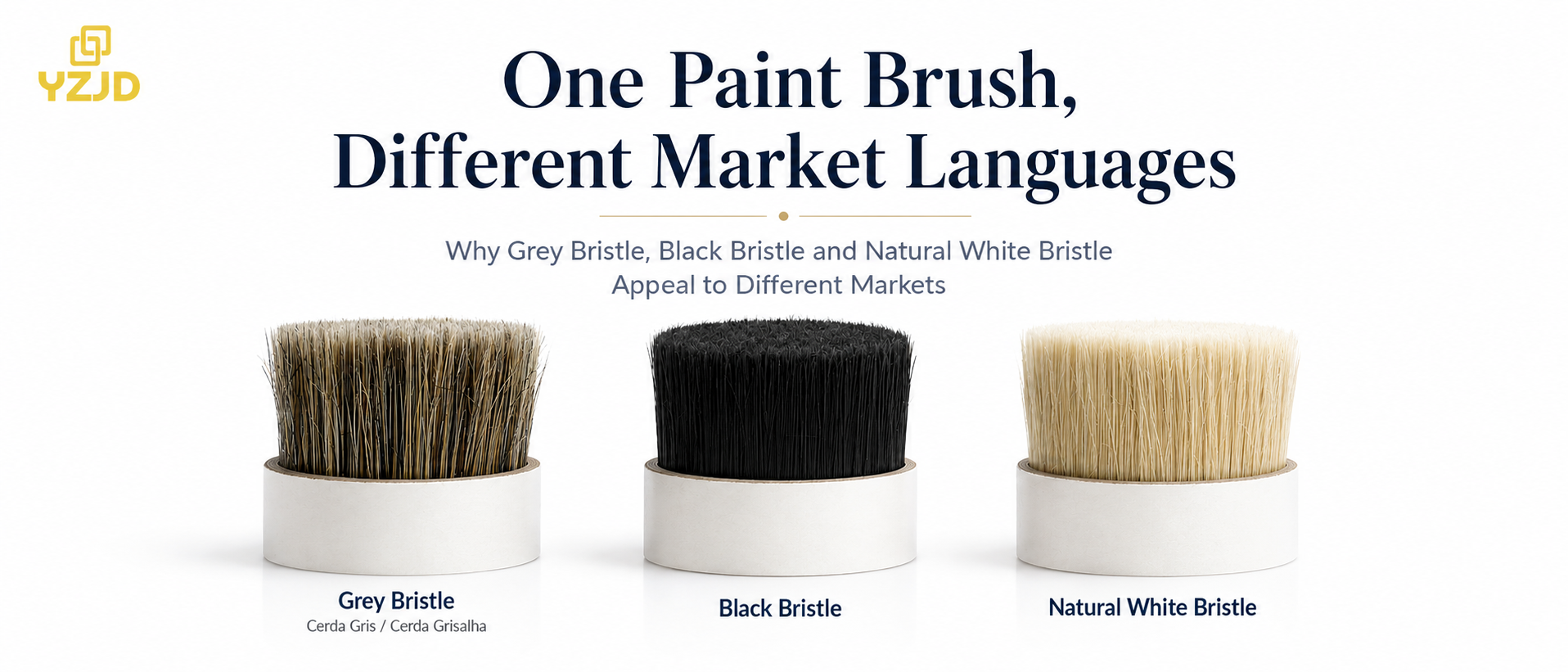
Why Do Different Markets Prefer Different Bristle Colors in Paint Brushes?
Understanding the market language behind Grey Bristle (cerda gris / cerda grisalha), Black Bristle and Natural White Bristle
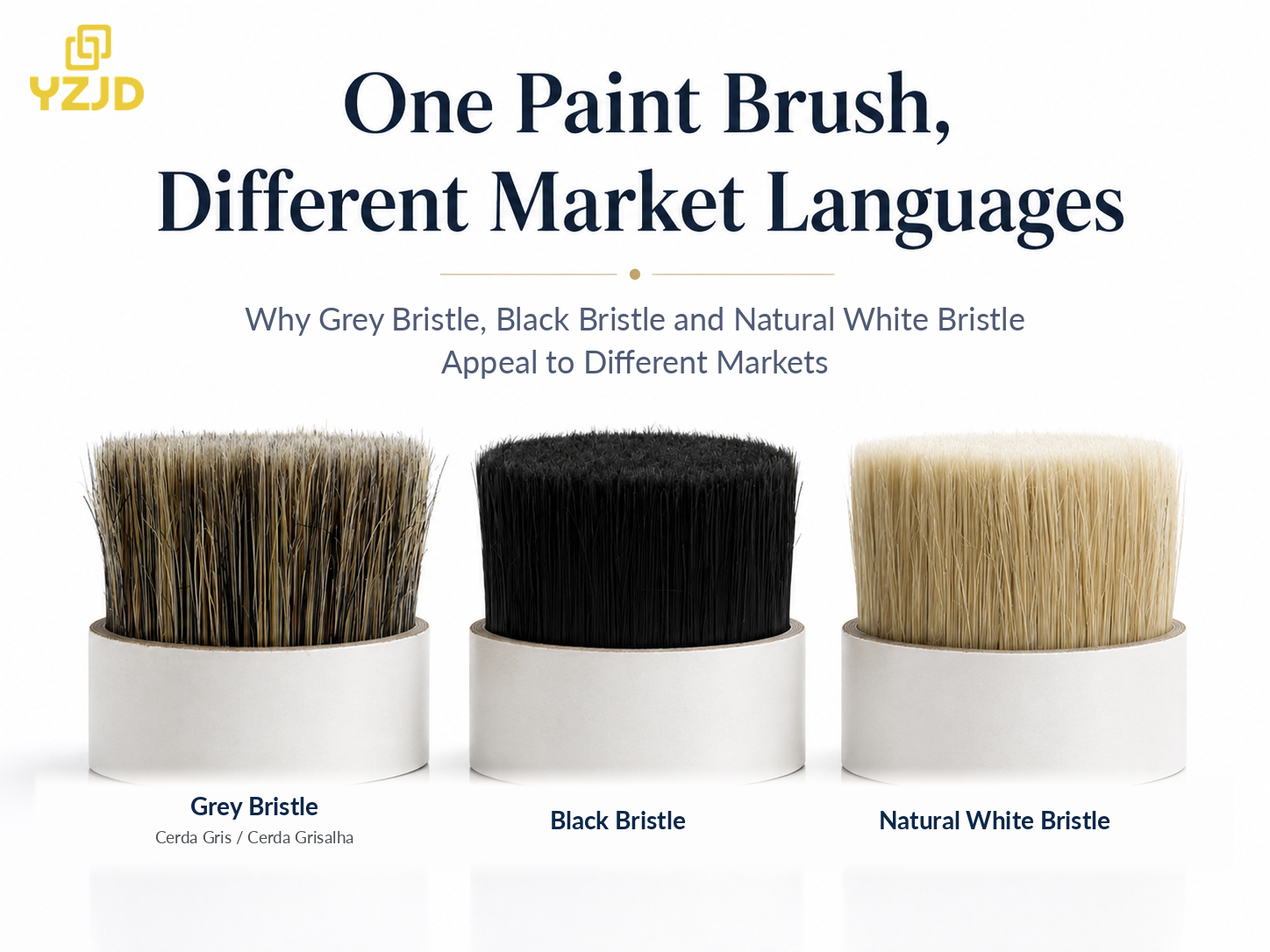
Figure 1. Three bristle colors can communicate three different market positions.
Bristle Color Is More Than Appearance
Paint brush bristle colors are more than a visual detail. When importers or end users choose a paint brush, they do not evaluate only the size, handle, ferrule or price. The visible color of the bristle also sends a message. In many markets, bristle color has become part of the product's identity. It helps customers quickly judge whether the brush looks traditional, durable, clean, refined or professional. For that reason, bristle color should be understood as a form of market language rather than merely a raw-material characteristic.
Based on our export experience, different markets often show different preferences. Grey Bristle is commonly described as cerda gris in Spanish-speaking markets and cerda grisalha in Brazilian Portuguese. In Brazil, this familiar grey-bristle appearance is often seen as a practical choice for general-purpose paint brushes. Mexican customers often respond positively to Black Bristle because it communicates strength and durability. In other markets, especially where decorative finishing or premium positioning matters, Natural White Bristle creates a cleaner and more refined impression.
Quick Market Comparison
Bristle Type | Common Market Recognition | Typical Image | Typical Applications |
Grey Bristle(cerda gris / cerda grisalha) | Brazil and other Latin American construction markets | Traditional, practical and full-bodied | Wall painting, general construction and everyday use |
Black Bristle | Mexico and hardware-oriented professional channels | Strong, durable and professional | General-purpose painting, enamel, oil-based coatings and rougher surfaces |
Natural White Bristle | Premium or decorative finishing markets | Clean, refined and premium | Light-colored paints, varnishes, wood coatings and smooth surfaces |
1. Grey Bristle: Familiar, Traditional and Practical
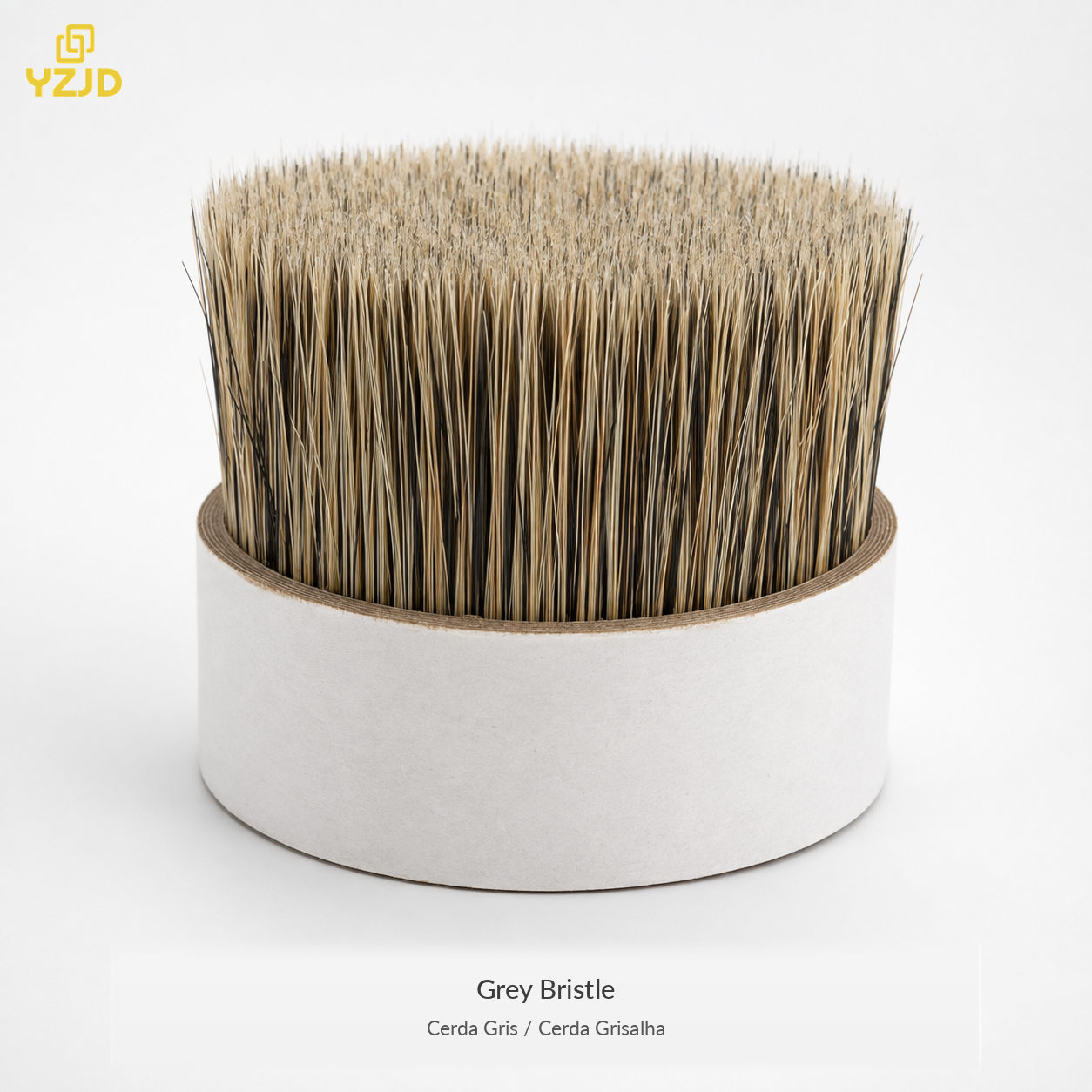
Figure 2. Grey Bristle (cerda gris / cerda grisalha) sample with YZJD branding.
Grey Bristle, known as cerda gris in Spanish and cerda grisalha in Brazilian Portuguese, usually combines dark and light natural tones, giving the brush a traditional and familiar look. In Brazil, this appearance is often associated with practical paint brushes used for general construction and wall painting. Many customers feel that grey bristles look full, natural and ready for everyday work.
Another reason this style works well is that it visually supports the idea of a balanced, general-purpose brush. It can suggest good paint pick-up, solid body and reliable performance for common architectural coatings. For manufacturers, Grey Bristle also makes it easier to maintain a natural appearance even when slight color variation exists between raw-material batches.
2. Black Bristle: Strength, Durability and a Professional Look
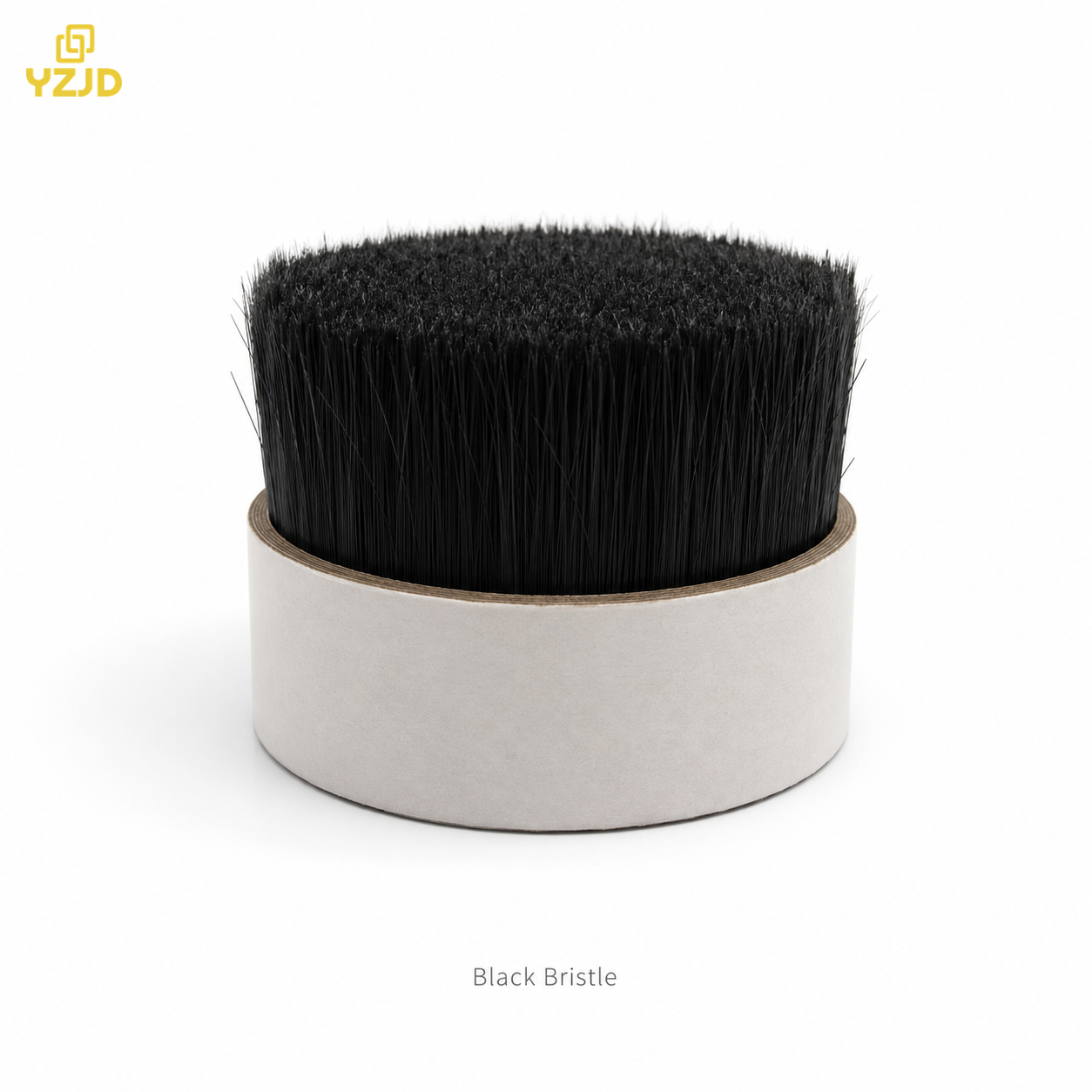
Figure 3. Black Bristle sample with YZJD branding.
Black Bristle is especially popular in Mexico because it communicates toughness and durability. A black brush often looks stronger and more professional on the shelf, which fits well with hardware-store sales channels and contractor-oriented product positioning.
Customers also tend to associate Black Bristle with resilience and longer service life. In practical use, darker bristles hide stains more easily after contact with dark paints, varnishes or coatings. As a result, Black Bristle has become a strong visual symbol of dependable, work-ready performance.
3. Natural White Bristle: Clean, Refined and Premium
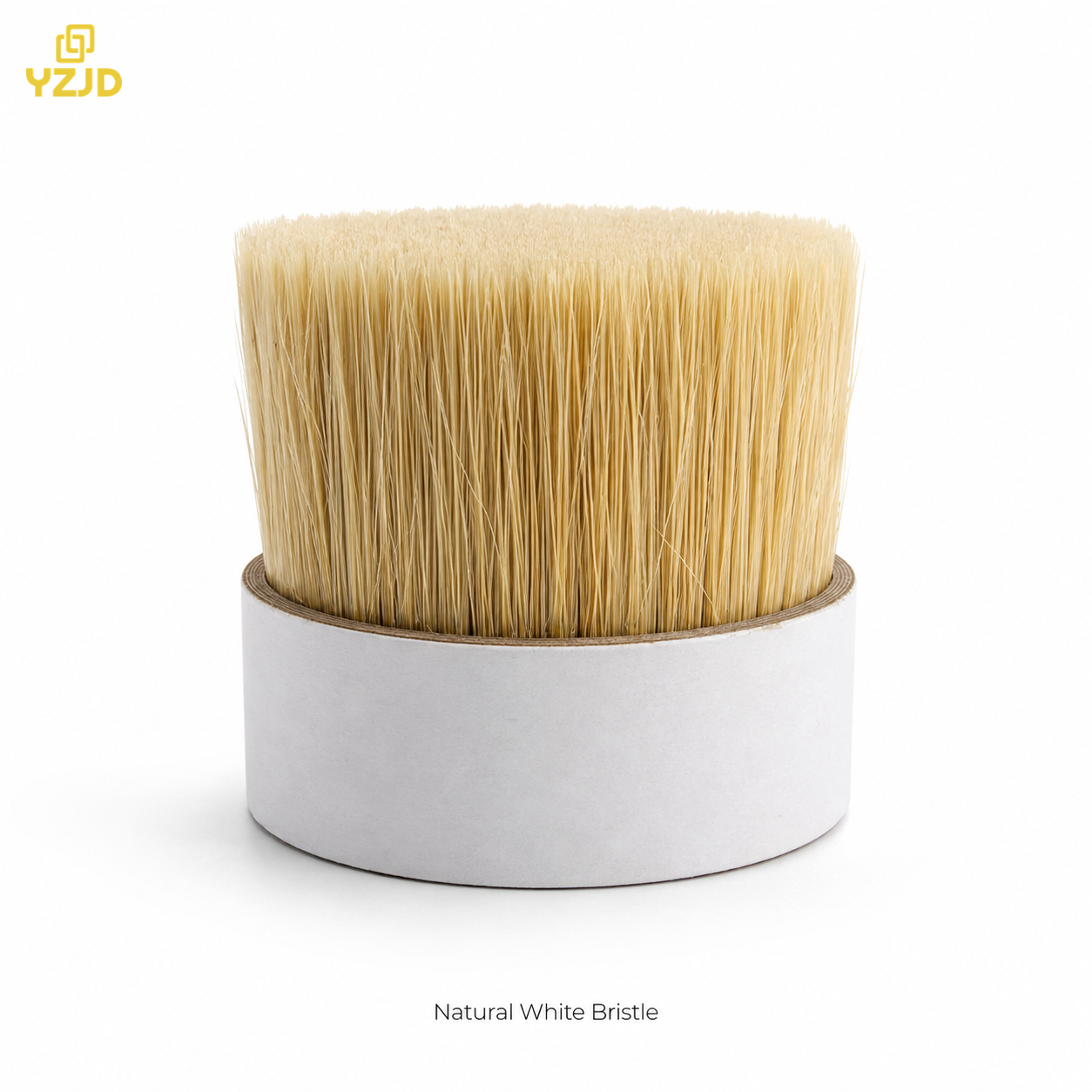
Figure 4. Natural White Bristle sample with YZJD branding.
Natural White Bristle is often preferred when a brush needs to look cleaner, more refined and more premium. This appearance works especially well for product lines positioned for decorative painting, smooth surfaces, light-colored paints, varnishes and wood finishes.
The lighter appearance makes the material look carefully selected and well prepared. For many buyers, that visual impression supports a higher-grade product image. Although color alone does not determine technical quality, Natural White Bristle can clearly strengthen premium positioning in the customer's mind.
What This Means for Manufacturers and Exporters
The key lesson is simple: the same brush structure cannot always be presented in the same visual form across all countries. Even when the internal bristle formulation is similar, changing the visible bristle color can significantly improve acceptance in a target market.
In other words, bristle color should be treated as part of product positioning. A technically similar brush may need Grey Bristle (cerda gris / cerda grisalha) for Brazil and other Latin markets, Black Bristle for Mexico, and Natural White Bristle for markets that value a cleaner or more premium appearance. Understanding this visual language helps suppliers communicate better with importers, distributors and end users.
Conclusion
A successful paint brush is not judged only by material specifications. It must also look right for the market it serves. That is why bristle color matters. Grey Bristle, Black Bristle and Natural White Bristle each carry different meanings, and those meanings influence how customers perceive value, performance and suitability. For export-oriented brush manufacturers, recognizing these differences is an important part of building the right product for the right market.


